Modernizing a trusted road travel product
Ruta0 has helped people plan road trips in Argentina since 1999, with route calculations, community-reported road conditions and accommodation information. I led the UX/UI redesign of its core web and mobile experience. The challenge was to make the product feel current without disrupting the familiar tasks its existing audience relied on.
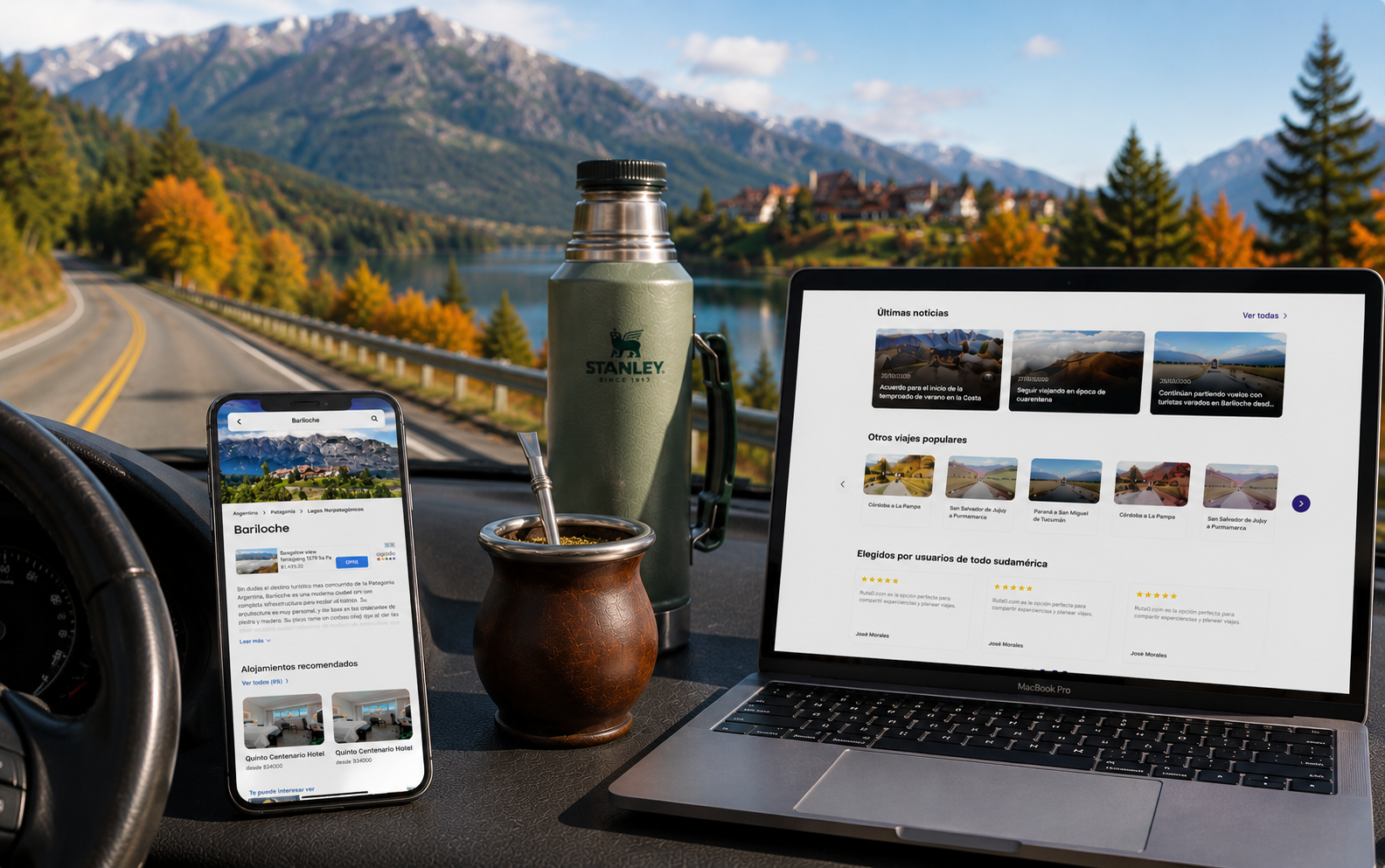
The product’s history was an asset, not something to erase. My goal was to update the experience while preserving the familiar structure and reliable information that returning users expected.

What got in the way
Years of incremental additions had created an uneven experience. Research and analytics pointed to three problems: an outdated visual system, limited discovery paths and a mobile experience that did not reflect how people travel.
Outdated visual language
The interface had accumulated visual inconsistencies. The information remained useful, but the presentation made the product feel older than the service it provided.
Search was the only entry point
Route search served people who already knew where they wanted to go, but gave less support to people still choosing a destination or region.
Mobile was a scaled-down afterthought
The mobile experience largely carried over the desktop structure instead of prioritizing common travel moments, such as checking road conditions or finding accommodation during a trip.
The decisions
Modern design, familiar structure
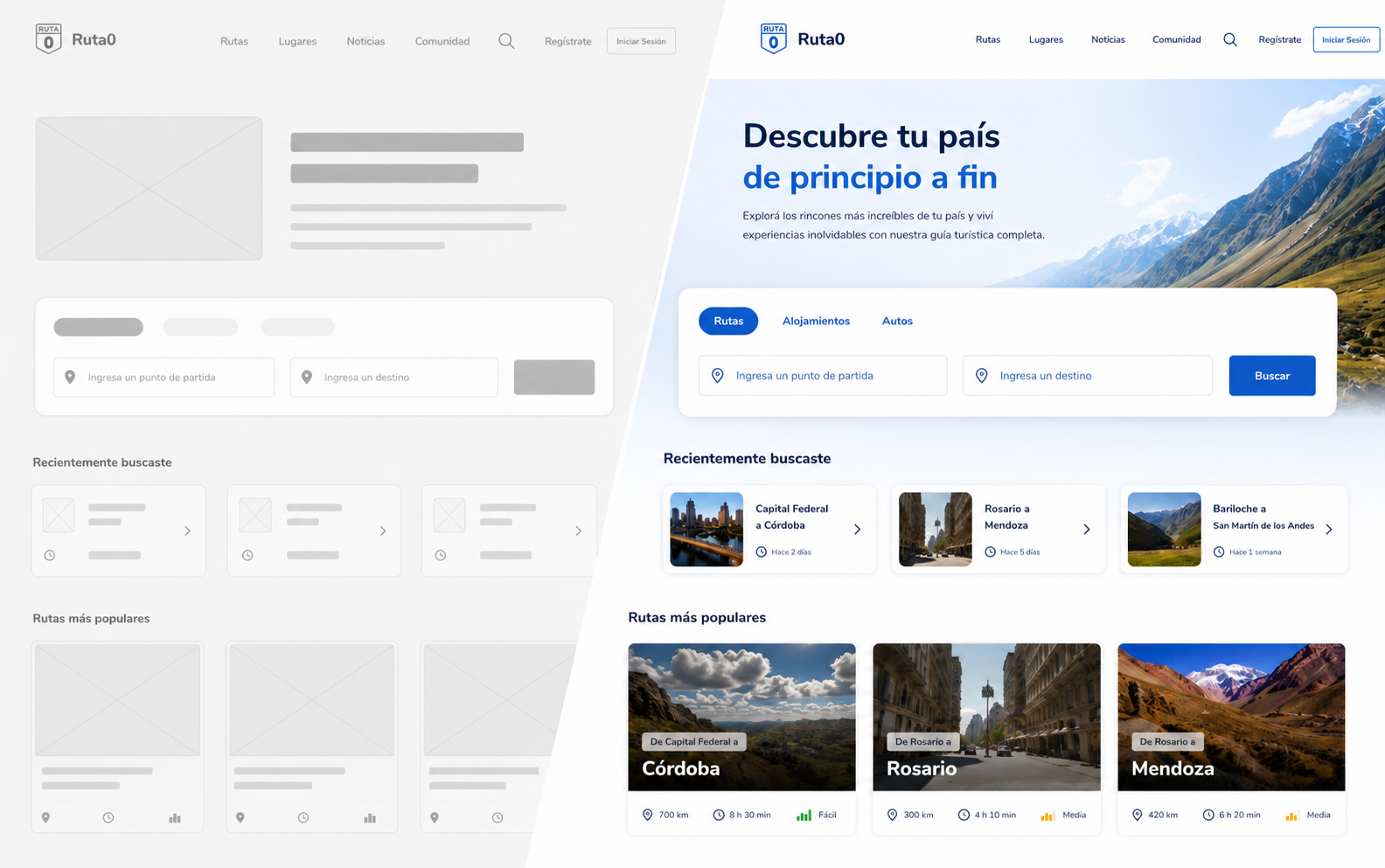
I updated typography, color and page hierarchy while preserving the information density familiar to returning users. The decision was to modernize the presentation without forcing people to relearn the product.
Discovery alongside search
I gave destination and region browsing a clearer place alongside route search. This created a path for people who were exploring options rather than arriving with a fixed origin and destination.
Mobile built for the road
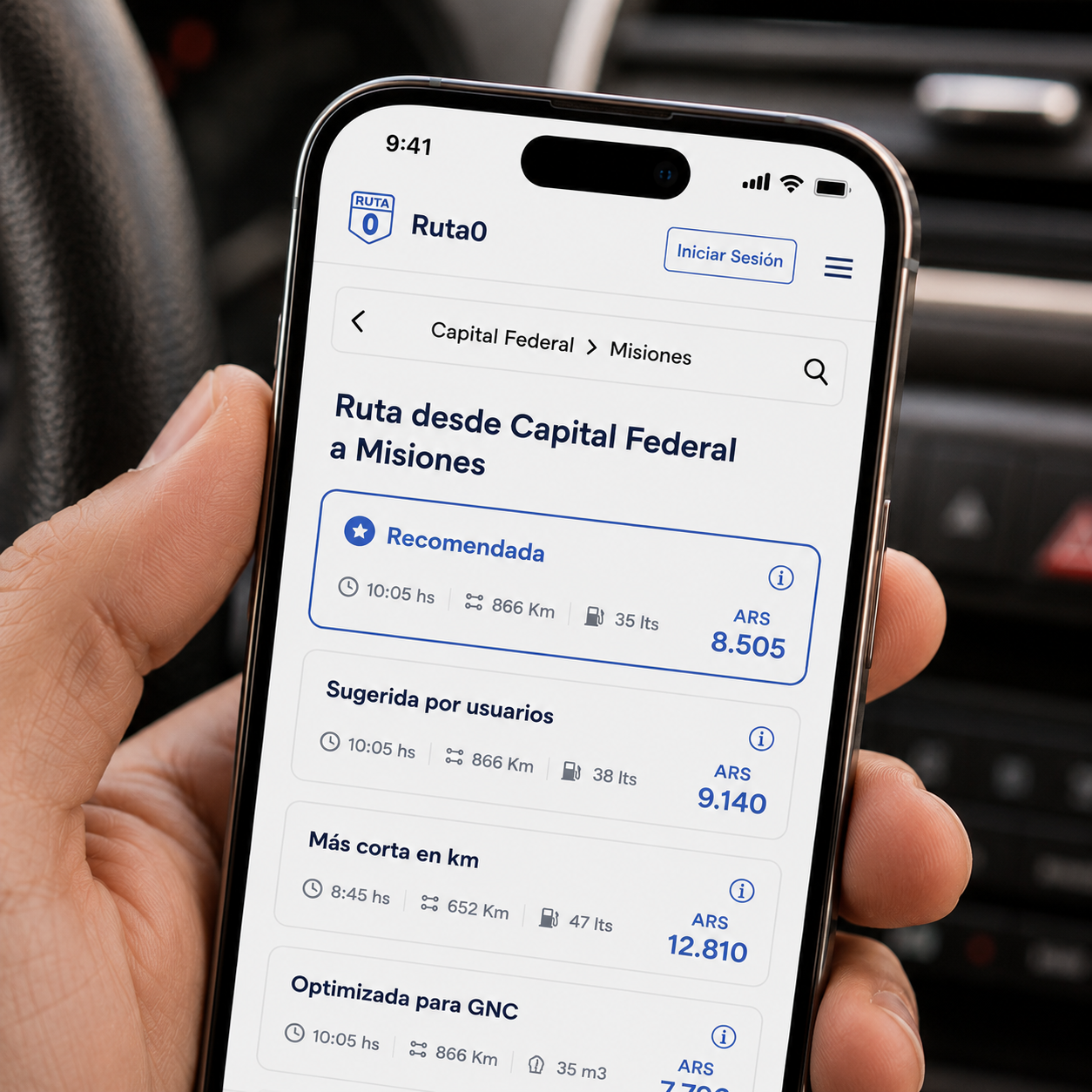
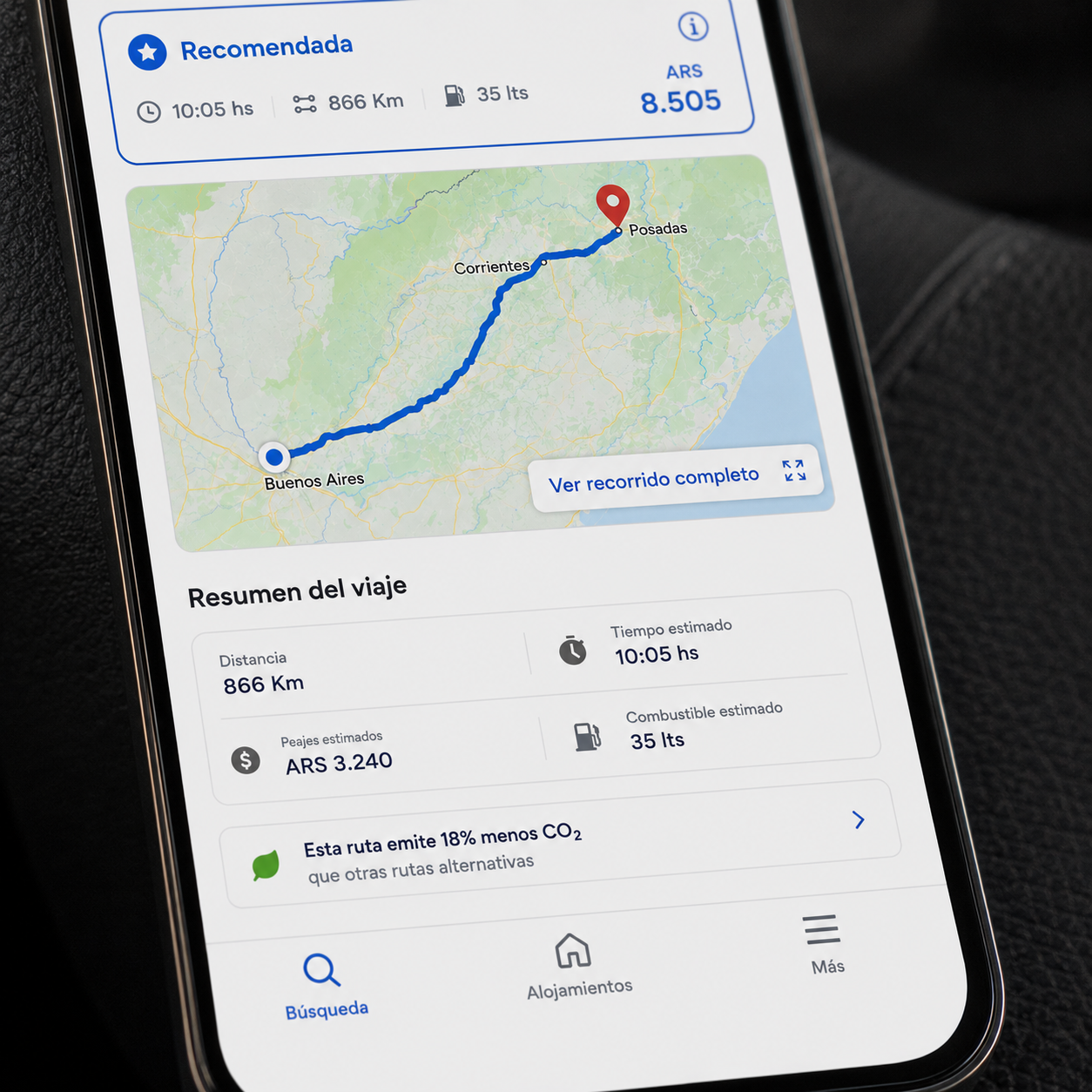
I reorganized mobile around the tasks people need during a trip: checking road status, finding accommodation and opening route information without searching through unrelated menus.
Web experience
The web experience brings route search, destination discovery and community road information into a more coherent structure. Destination pages connect accommodation, route options and road conditions so users can move from planning to useful details with less navigation.
Mobile experience
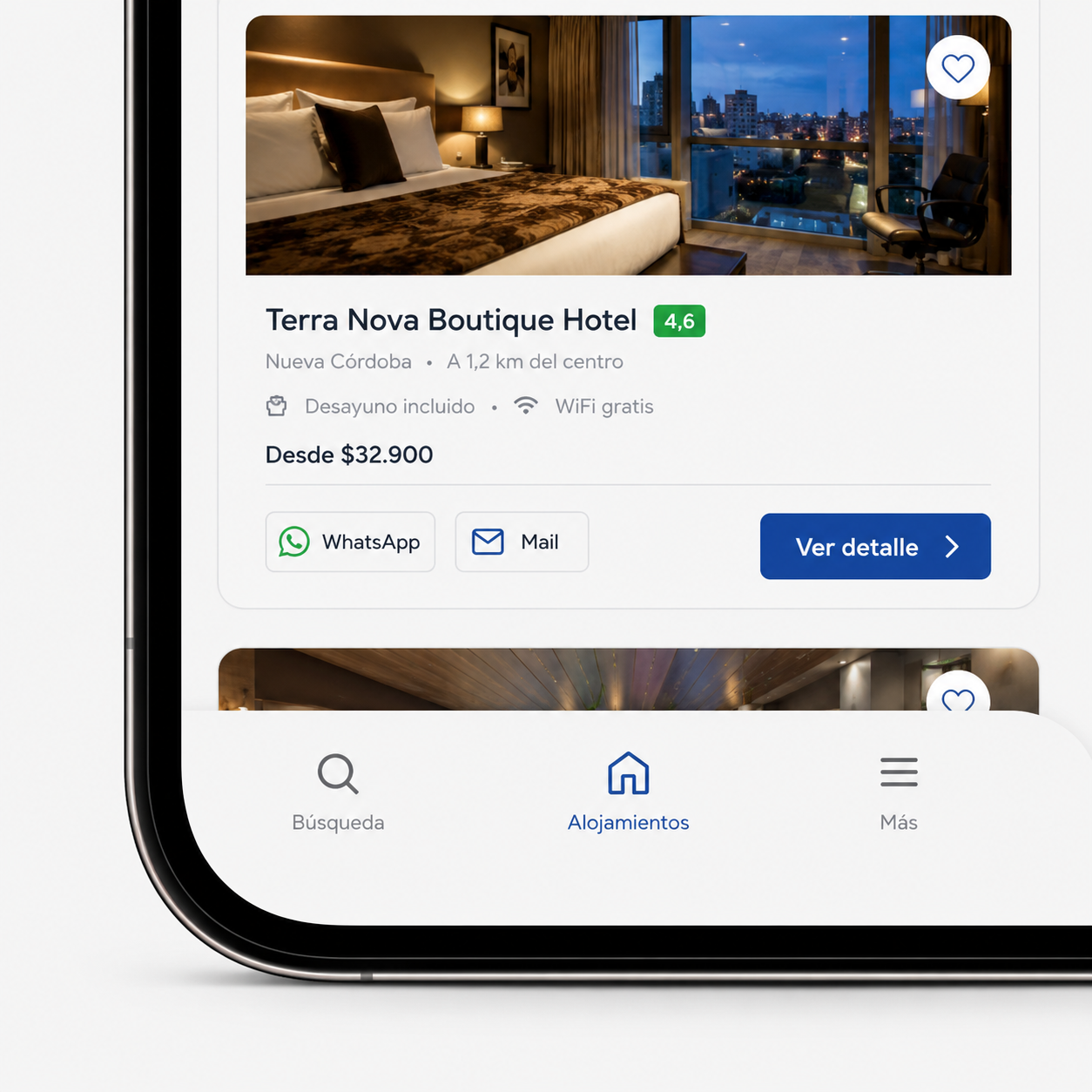
The mobile experience prioritizes the tasks most likely to happen on the road: checking a route, finding somewhere to stay and returning to directions. The hierarchy puts these actions closer to the surface instead of treating mobile as a smaller desktop layout.
What changed
The redesign aimed to modernize a long-established platform without disrupting familiar behaviors. The metrics below report changes in mobile session duration and destination page views after launch.
Session and page view metrics reflect changes measured against pre-redesign baselines over a 60-day post-launch window.
Thank you for viewing!